No Homework for KG to Grade 2: What the UAE’s New Primary School Rules Mean for Parents


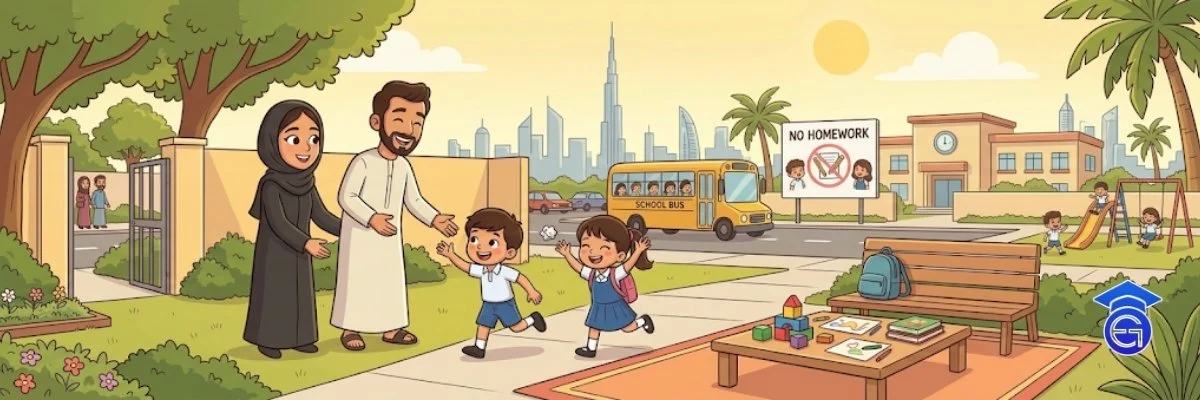
For years the evening has had the same shape in a lot of UAE homes. Bag down, folder out, “what do you have tonight?” and a negotiation that ends somewhere between a worksheet and a meltdown. This year, for the youngest children in UAE public schools, that folder is empty by design. Traditional homework has been cancelled from kindergarten through Grade 2, and parents are being asked to read with their children instead. Most families I’d expect to feel relief first. Then, a day or two later, a quieter question shows up: if there’s no homework, how will I know how my child is getting on?
What this covers
What’s Actually Changed
The Ministry of Education announced the change ahead of the 2026-27 academic year, which began on 31 August with more than 1.2 million students returning to school. Traditional homework is cancelled for pupils from kindergarten through Grade 2. In its place, families are encouraged to support daily reading at home.
Education Minister Sarah Al Amiri presented the decision as a response to the developmental needs of young children. The stated aims are better quality of learning during the school day and a healthier balance between school and life outside it. Under the policy, teaching and consolidating reading, writing and arithmetic is the job of teachers and schools, rather than something pushed home as a compulsory extension of the lesson.
Who It Covers, and Who It Doesn’t
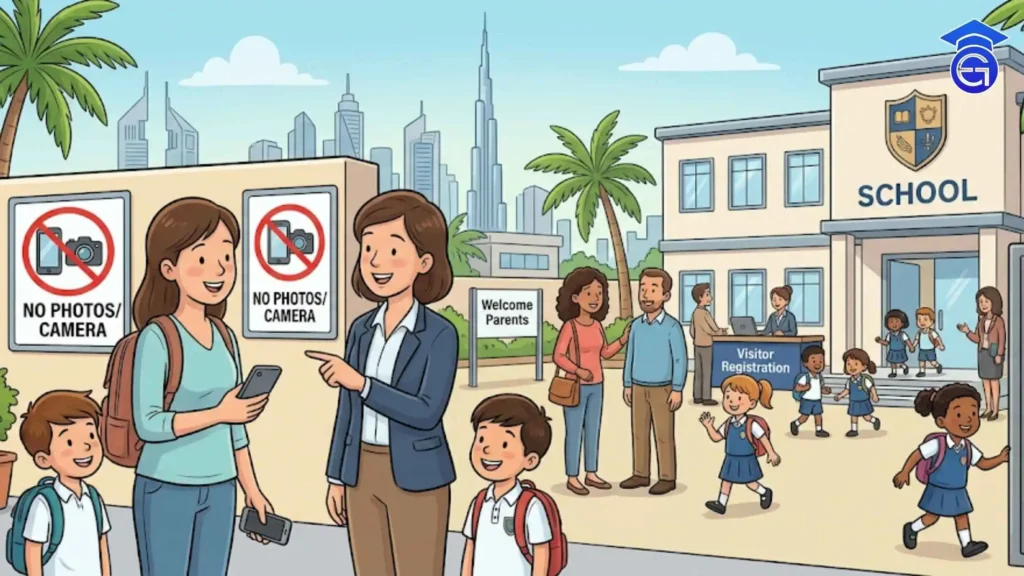
This is where a lot of headlines got a bit loose. The policy was introduced for Ministry of Education schools, meaning public schools. Coverage aimed at Dubai families has been clear that the announcement doesn’t automatically abolish homework across private schools, and parents with children in private schools were advised to check their own school’s policy.
So the first practical step is small. Look at your school’s homework policy, or send a two-line email, rather than assuming in either direction. Some private schools will follow the Ministry’s lead, some won’t, and some will land somewhere in the middle.
Why Daily Reading Replaces Homework
Reading is doing a lot of work in this policy. The stated idea is that it strengthens early literacy, language development and thinking skills, and it does it without the evening pressure of written tasks, which can be a lot for a five or six year old who’s already spent a full day at school. Suggested ways to support it include setting up a regular reading routine, visiting libraries, sharing books, and talking about what your child has read.
My own view is that the talking part matters more than the reading part. Ten minutes is plenty for a young child, and reading aloud to them counts. What helps most is what happens afterwards. Ask them to tell you what happened, why a character did something, what they think comes next. A child who can retell a story in their own words is practising the same skills a worksheet was trying, with mixed success, to build.
Worth trying this week: pick one fixed slot for reading, after dinner or before bed, and keep it short. A small routine you actually keep beats an ambitious one that lasts four days.
The Other Primary Changes Worth Knowing
Homework got the headlines, but it wasn’t the only change aimed at younger children this year. A few others sit alongside it.
| Change | Who it affects | What it means at home |
|---|---|---|
| No traditional homework | KG to Grade 2, Ministry schools | Daily reading replaces assignments |
| Expanded Arabic assessment | Grade 1, about 19,000 pupils in 162 public schools and 11,000 in 130 private schools | A clearer baseline of early Arabic skills, worth asking the school about |
| Fewer digital devices in some subjects | Grade 6 | Textbooks, notebooks and paper for Arabic, English, maths and science in those subjects |
| Earlier diagnostic assessments | Reported as part of the wider changes | Learning gaps flagged sooner, so ask what the results show |
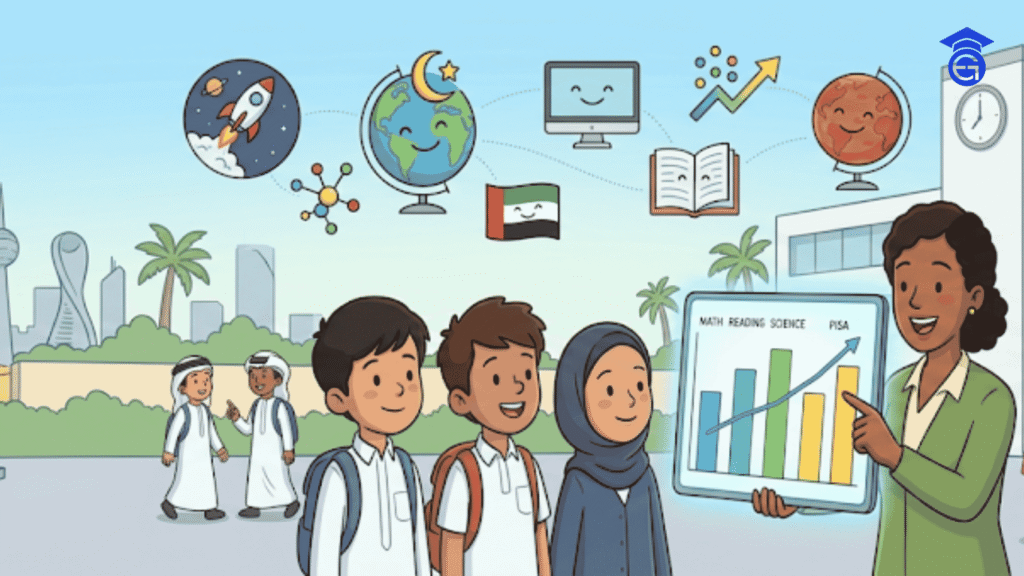
The Grade 6 change followed a study of about 2,500 students across nine public schools. Reported preliminary findings were better results in non-digital classrooms, particularly in maths, science and Arabic, along with better behaviour and focus. The word preliminary matters there. It’s early evidence rather than a verdict, but it points in a direction plenty of parents already suspected.
The Part Nobody’s Talking About
Homework was never only practice. It was also the one regular message from school to home saying here’s what we’re covering and here’s how your child is coping with it. A parent who sat next to a Grade 2 child for ten minutes learned a lot, sometimes more than a report card manages to say. A child who stalls on the same type of sum every night is telling you something. So is one who reads a page fluently one week and stumbles the next.
Take the assignments away and that signal has to come from somewhere else. I don’t think that’s an argument against the policy, which seems sensible to me for children that age. It’s a trade-off, though, and an honest one. Families get calmer evenings and fewer battles, and they also get fewer natural checkpoints. The small gaps homework used to expose, slow reading, shaky number facts, can sit quietly for longer before anyone notices.
That’s the gap Edugravity’s Juniors programme was built around, particularly for homeschooling families, where there’s no school checkpoint at all. It follows the Cambridge Primary and Lower Secondary frameworks for Grades 2 to 7, and it starts by checking what a child can actually do against the right stage, rather than assuming.
If you’d like an outside read on where your child actually stands
Edugravity’s Juniors programme covers English, maths and science for Grades 2 to 7, with a free diagnostic against the right Cambridge stage and groups capped at six. If this sounds like the checkpoint your family is missing, it might be worth having a quick chat with the team about what it could look like for your child.
WhatsApp Edugravity Explore the Junior ProgrammeWhat Parents Can Do This Term
None of this needs a big plan. A few habits cover most of it.
- Check your school’s own homework policy first, since the Ministry rule covers public schools and private schools set their own
- Set one short, fixed reading slot each day, and talk about the book afterwards instead of just counting pages
- Ask the teacher what feedback you’ll get now that homework isn’t doing that job, whether that’s a note, a check-in or a short report
- Watch the old signals yourself, such as how smoothly your child reads a new page, whether they can retell it, and how they handle simple sums
- If your child is nearing Grade 6, keep an eye on how much of their study is on screen, since that’s the area the Ministry is pulling back
If you homeschool, these policies are written for schools and don’t directly apply to you. The thinking behind them is still a useful benchmark, and it’s a good reason to build in some kind of outside check on how your child is progressing.
Questions People Are Actually Asking
The One Thing Worth Remembering
Less homework doesn’t mean less learning. The reading routine covers the learning side well enough. What it doesn’t cover is the signal, the regular, slightly annoying evidence of how a child is actually coping. Something else has to fill that role, and for most families it will be a bit of attention they didn’t have to pay before.
The calm next step is simple: check your school’s policy, start a short daily reading habit, and ask the teacher how you’ll hear about your child’s progress.
Want a clear picture without waiting for a report card?
Edugravity’s Juniors programme starts with a free diagnostic that checks your child against the right Cambridge stage, so you know where they stand in English, maths and science. In-person in Sharjah at 107 Al Reem Plaza, Corniche Street, or online across the UAE.
WhatsApp Edugravity Explore the Junior ProgrammeKey Takeaways
- Traditional homework is cancelled for KG to Grade 2 in UAE public schools from 2026-27, with daily reading encouraged instead
- Private schools aren’t automatically covered, so check your school’s own policy
- Grade 6 is also moving back toward paper and textbooks in some subjects, based on preliminary study findings
- Talking about what a child has read does more than counting pages, and ten minutes a day is enough for young children
- With less homework, parents lose a natural signal of how their child is coping, so it’s worth building in another way to check