
What Is Helicopter Parenting? Understanding the Balance Between Care and Control
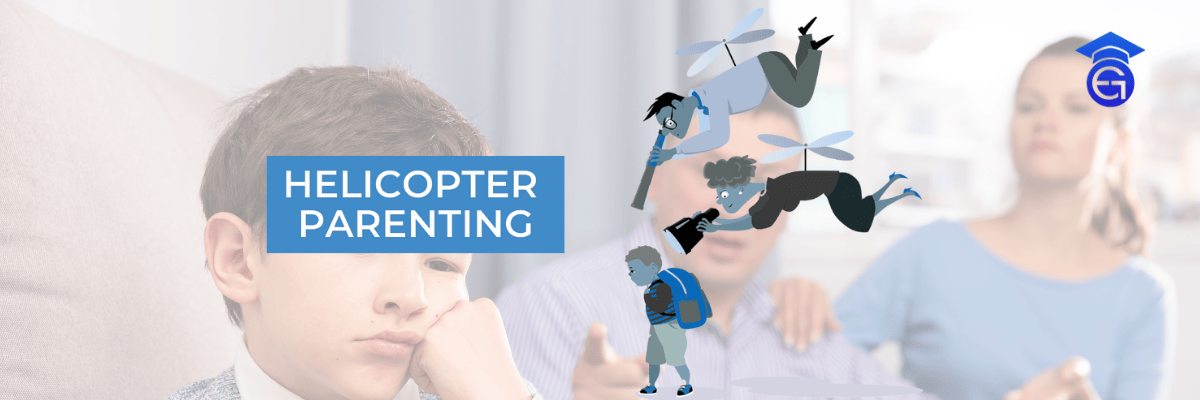
You’ve probably seen them at the playground. Parents who hover three feet away from their child on the slide, ready to intervene at the slightest wobble. Or maybe you’ve been that parent, heart racing every time your kid climbs something taller than a chair. Helicopter parenting gets talked about a lot, usually in judgmental tones, but what is it really? And more importantly, how do you know if you’re doing it?
Reality Check: Most parents who engage in helicopter parenting don’t realize they’re doing it. They think they’re just being careful, involved, protective. The line between healthy involvement and overparenting can be surprisingly thin, and it shifts depending on your child’s age, personality, and specific circumstances. There’s no universal rulebook here, which makes it both complicated and worth understanding deeply.
What’s covered in this article
What helicopter parenting actually means (beyond the stereotype)
The term “helicopter parent” was coined back in 1969, but it really took off in the early 2000s when psychologists started noticing patterns in how certain parents interacted with their kids. The basic idea is hovering. Constant supervision. Being intensely involved in every aspect of a child’s life, often to the point where the child doesn’t develop independence or problem-solving skills.
But that definition is almost too simple because it misses the nuance. Not all involved parenting is helicopter parenting. The difference lies in motivation and outcome. Are you involved because your child genuinely needs support, or because you can’t tolerate the discomfort of watching them struggle? Are you helping them develop skills, or are you doing things for them that they could learn to do themselves?
I’ve watched parents tie their eight-year-old’s shoes while the kid stands there passively. I’ve seen parents call teachers to dispute test scores their teenager never even mentioned. I’ve heard stories of parents attending job interviews with their adult children. These examples sit on a spectrum, and where you draw the line between “caring” and “controlling” depends partly on context.
It’s about control more than care
Here’s something people miss when they talk about helicopter parenting. It’s not really about loving your child too much. You can’t love a kid too much. It’s about anxiety and control. It’s the parent’s inability to manage their own discomfort with uncertainty, risk, or their child experiencing negative emotions.
When your child forgets their homework, do you rush to school to deliver it? That might feel like helping, but what you’re really doing is protecting yourself from the anxiety of imagining them getting in trouble. The child learns that someone will always rescue them. They don’t learn to remember their homework or deal with consequences.
This distinction matters because it changes how you approach the problem. If helicopter parenting were just about caring too much, the solution would be to care less. But that’s not it. The solution is managing your own anxiety better so your child can develop resilience and independence.
What it’s not
Being an attentive, involved parent is not helicopter parenting. Knowing your child’s friends, teachers, and activities is healthy. Helping with homework when they’re genuinely stuck is fine. Setting boundaries and rules is necessary. Protecting young children from actual danger is obviously appropriate.
The problem emerges when involvement becomes interference. When your presence prevents your child from developing age-appropriate autonomy. When your intervention stops them from learning through natural consequences. When you can’t distinguish between actual danger and normal developmental challenges.
How to recognize the signs in yourself (honestly)
Self-awareness is hard when it comes to parenting because everyone thinks they’re doing it right. Or at least doing it for the right reasons. Helicopter parents rarely wake up thinking “today I’m going to smother my child’s independence.” They think they’re being good parents. So how do you actually know?
You can’t let them struggle
This is the biggest tell. Your child is working on something difficult, a puzzle, a homework problem, a friendship conflict. They’re frustrated but not asking for help. You can see the solution clearly. Every fiber of your being wants to step in and fix it.
If you can’t resist that urge, if watching them struggle creates unbearable anxiety in you, that’s a sign. Children need to struggle sometimes. That’s how they learn persistence, problem-solving, and emotional regulation. When you constantly remove obstacles, you’re not making their life easier. You’re making them less capable of handling difficulty independently.
You’re making decisions they should make
Age-appropriate decision-making is crucial for development. A five-year-old can choose between two shirts. A ten-year-old can decide which extracurricular activity they want to try. A teenager should pick their own friends and manage their own schedule with your guidance, not your control.
If you’re still choosing your teenager’s clothes, managing all their homework deadlines, deciding who they can be friends with, or planning every minute of their day, you’re probably hovering too close. These are decisions that help kids develop judgment, taste, and personal responsibility.
Quick Self-Check: Think about the last time your child faced a challenge. Who solved it, you or them? If your immediate instinct is always to step in and fix things rather than coach them through solving it themselves, pay attention to that pattern.
You’re overly involved in their social world
Monitoring your young child’s friendships is normal. Stepping in when there’s bullying or genuinely concerning behavior is appropriate. But calling other parents to arrange playdates for your twelve-year-old? Texting their friends directly to coordinate plans? Intervening in every minor social conflict they mention?
That’s crossing into helicopter territory. Kids need to learn to navigate social relationships, including the uncomfortable parts. They need to experience minor rejections, work through disagreements, and figure out who they actually want to spend time with. Your job is to provide guidance when asked, not to manage their entire social calendar.
Their problems are your problems
This one sneaks up on parents. Your child gets a bad grade, and you’re devastated. They don’t make the sports team, and you’re furious at the coach. They have a falling out with a friend, and you spend the day stewing about it more than they do.
When you’re more invested in their outcomes than they are, when their disappointments feel like your personal failures, you’ve lost perspective. Your child needs to own their experiences, including negative ones. They can’t do that if you’re absorbing all the emotional impact yourself.
You monitor constantly
Technology makes this easier than ever. You can track their location, read their messages, monitor their grades in real-time, check their social media. Some level of monitoring is appropriate, especially for younger kids. But if you’re checking multiple times a day, if you panic when they don’t respond to texts within minutes, if you need constant updates about where they are and what they’re doing, that’s excessive.
Constant surveillance communicates distrust. It prevents kids from developing the internal regulation that comes from knowing they’re responsible for their own choices, even when nobody’s watching. It also creates sneakiness because kids learn to hide things rather than developing judgment about what’s actually worth sharing with parents.
Why parents become overprotective (it’s not what you think)
Understanding why helicopter parenting happens helps you interrupt the pattern if you recognize it in yourself. It’s rarely about actually believing your child is incapable. Usually, it’s about your own psychology and external pressures you might not even be aware of.
Anxiety you’re managing through control
For many parents, helicoptering is anxiety management. The world feels dangerous. What if something bad happens? What if they fail? What if they get hurt? These fears are universal to parenting, but some parents cope by trying to control every variable.
The problem is that this strategy doesn’t actually reduce anxiety. It temporarily relieves it, which reinforces the behavior. You step in, prevent the feared outcome, feel brief relief, then need to step in again next time. Meanwhile, your child doesn’t learn to handle challenges, which makes them genuinely less capable, which gives you more real reasons to worry. It becomes a self-fulfilling cycle.
Competitive parenting culture
There’s enormous pressure in many communities to have kids who excel at everything. The best grades, the most activities, the most impressive achievements. Parents feel like their child’s success reflects on them, so they micromanage to ensure good outcomes.
I’ve seen parents in Sharjah and Dubai stressed about getting their toddler into the “right” nursery because they believe it determines their entire educational trajectory. That level of pressure creates helicoptering almost inevitably. If you believe every small decision has massive consequences, you can’t afford to let your child make mistakes or take risks.
Your own childhood experiences
Sometimes helicopter parenting is overcorrection. Your parents were absent or neglectful, so you’re determined to be the opposite. You remember struggling alone with something and wishing someone had helped, so now you help with everything. Your childhood lacked stability, so you try to create perfect stability for your kids.
These motivations are understandable, but they can push you too far in the opposite direction. The goal isn’t to give your children the exact inverse of your childhood. It’s to give them what they actually need, which includes age-appropriate independence and the experience of overcoming challenges.
Research Insight: Studies show that parental anxiety is one of the strongest predictors of helicopter parenting behaviors. Parents with higher anxiety levels are significantly more likely to engage in overprotective parenting, regardless of whether their anxiety is related to their child’s actual capabilities or risks.
Technology enables constant connection
Previous generations of parents physically couldn’t hover the way modern parents can. Once kids left for school, parents had no idea what was happening until they came home. Now you can get real-time grade updates, GPS tracking, and instant messaging.
This technology isn’t inherently bad, but it enables patterns that wouldn’t exist otherwise. When you have the ability to check on your child constantly, it takes conscious effort not to. The technology creates the illusion that you should always know everything, which wasn’t expected or even possible before.
Fear of being judged as neglectful
Parents face criticism from all sides. Too involved? You’re helicoptering and smothering your kids. Not involved enough? You’re neglectful and don’t care. This creates a no-win situation where many parents err on the side of over-involvement because it feels safer from judgment.
Letting your eight-year-old walk to school alone might be developmentally appropriate, but if other parents consider it neglectful, you might drive them instead. Not because you think it’s necessary, but because you don’t want to deal with judgment or worse, someone calling authorities. These social pressures push parents toward hovering even when their instincts say it’s unnecessary.
What it does to children over time (the research is clear)
This is where helicopter parenting stops being a parenting style preference and becomes a genuine concern. The effects on children are measurable and significant, especially when the pattern continues into adolescence and young adulthood.
Reduced independence and life skills
This is the most obvious outcome. Children who have everything done for them don’t learn to do things for themselves. I’ve met university students who can’t do laundry, cook a basic meal, or manage their own schedule because their parents always handled these tasks.
But it goes deeper than practical skills. These young adults often struggle with decision-making because they never practiced making choices and living with consequences. They have trouble prioritizing because someone always told them what mattered most. They can’t gauge their own capabilities because they never tested themselves against challenges.
Higher anxiety and lower confidence
You’d think that protecting children from stress would make them less anxious. It doesn’t. It makes them more anxious because they never develop confidence in their ability to handle difficulty. Every challenge becomes overwhelming because they have no evidence that they can cope with hard things.
Research consistently shows that children of helicopter parents report higher levels of anxiety and depression. They’re less satisfied with their lives. They struggle with stress management because they never built those skills during developmentally appropriate windows. The protection you provided backfires completely.
Real Example: A 2019 study tracking college students found that those with helicopter parents had significantly higher levels of anxiety and depression, used more medications for anxiety and depression, and reported lower life satisfaction compared to students whose parents maintained appropriate boundaries.
Entitlement and poor coping skills
When parents constantly intervene to smooth the path, children can develop a sense that life should be easy and that someone should always fix their problems. They struggle with frustration tolerance because they never learned that effort and persistence pay off.
Teachers and employers increasingly report issues with young adults who can’t handle criticism, expect special treatment, and struggle when things don’t go their way. They call their parents to complain instead of problem-solving. They quit when tasks get difficult. These patterns trace back directly to overprotective parenting that prevented them from developing resilience.
Damaged parent-child relationship
This gets overlooked in discussions about helicopter parenting, but it matters enormously. Constant hovering and control create resentment. Teenagers especially push back hard against parents who won’t give them appropriate autonomy. Young adults distance themselves or rebel in destructive ways.
The irony is brutal. Parents helicopter because they care so much and want to maintain closeness with their children. But the behavior achieves the opposite. It drives wedges into relationships that might otherwise be close and trusting. Kids don’t confide in parents they feel controlled by. They hide things and create secret lives instead.
Delayed maturity and development
There are developmental tasks that need to happen at specific ages. Learning to self-soothe as a toddler. Developing peer relationships in elementary school. Building identity separate from parents during adolescence. Managing increasing independence as a teenager.
Helicopter parenting interrupts these developmental progressions. The tasks don’t disappear, they just get delayed. But completing them later is harder and more painful than doing so at the appropriate time. A twenty-five-year-old learning to separate from parents experiences more distress than a sixteen-year-old going through the same process.
How it looks different at different ages
Appropriate involvement changes dramatically as children grow. What’s protective parenting for a toddler becomes helicopter parenting for a teenager. Understanding these distinctions helps you calibrate your approach.
Early childhood (ages 2-5)
Young children need close supervision for safety. Helicoptering at this age usually looks like not allowing any risk-taking, doing everything for them that they could learn to do themselves, or hovering so close they can’t explore independently.
A three-year-old should be allowed to climb playground equipment appropriate for their age, even if they might fall. They should practice pouring their own juice, even if they spill. They should choose between two outfits, even if they pick something that doesn’t match. These small challenges build confidence and capability.
Elementary school (ages 6-11)
This is when academic helicoptering often starts. Parents do their homework for them, call teachers about every small issue, arrange every playdate, and solve every social problem. Kids this age should be developing more independence in friendships, schoolwork, and daily routines.
They should pack their own backpack (with your reminder). They should approach the teacher themselves about missed assignments. They should work out minor disagreements with friends before you intervene. They should have some unstructured time to play and make their own decisions about what to do.
Ages 6-8
Can make simple choices, manage basic hygiene independently, complete age-appropriate chores, handle minor social conflicts, remember simple responsibilities with reminders.
Ages 9-11
Should manage homework with minimal oversight, have opinions about activities and schedules, navigate peer relationships mostly independently, handle disappointments without parental rescue.
Middle school (ages 12-14)
This developmental stage is all about increasing autonomy and identity formation. Helicopter parenting here looks like monitoring their every move, reading all their messages, making all their decisions, or stepping in to solve problems they should handle themselves.
Yes, they still need guidance and boundaries. But they also need privacy, the chance to make mistakes, and opportunities to develop their own judgment. A thirteen-year-old should choose their own clothes, manage their school assignments (with your check-ins, not management), and have some independence in how they spend their free time.
High school (ages 15-18)
Teenagers need to make increasingly significant decisions with your guidance, not your control. They should be managing their academic workload independently. They should have substantial input into extracurriculars, part-time work, and future planning. They need to learn consequences now, in relatively safe environments, before those stakes get higher.
Helicopter parenting at this age seriously impedes development. Completing college applications for them, calling teachers about grades, dictating friend choices, or maintaining intense control over their schedule prevents them from developing skills they’ll desperately need within a few years when they’re fully independent.
Young adulthood (18+)
If you’re still helicoptering over adult children, attending job interviews, calling their professors, managing their finances completely, or making their major life decisions, you’ve extended the pattern way too far. Young adults need to practice being adults, which means making decisions and experiencing natural consequences without parental interference.
This doesn’t mean abandoning them. Supporting young adults looks like being available when they ask for advice, providing financial help within your means and values, and maintaining loving relationships. It doesn’t look like solving their problems, making their choices, or preventing them from experiencing difficulty.
Cultural context and modern pressures in the UAE
Parenting doesn’t happen in a vacuum. Cultural expectations, educational pressures, and social contexts all influence how parents approach raising children. In the UAE specifically, several factors contribute to helicopter parenting tendencies.
Competitive educational environment
Schools in Dubai, Sharjah, and Abu Dhabi are often highly competitive. Parents feel intense pressure to ensure their children succeed academically because they believe it determines future opportunities. This pressure pushes many parents toward over-involvement in schoolwork and constant monitoring of academic performance.
The international nature of many schools here adds another layer. Parents worry about their children keeping up with peers from different educational systems. They hire multiple tutors, supervise every assignment, and panic about any grade that isn’t perfect. This level of involvement often crosses into helicoptering territory.
Safety concerns in multicultural environments
The UAE is incredibly safe compared to many countries, but parents sometimes overcompensate with excessive supervision. The cultural diversity, while enriching, can make parents nervous about their children navigating different social norms and expectations.
Add to this the transient nature of many expat communities, where families move frequently and friendships feel less stable, and you get parents who hover close partly because everything feels less familiar and predictable than it might in their home countries.
Local Context: Educational consultants in the UAE report increasing concerns about over-parenting, particularly around academic pressure. Many students arrive at university unable to manage their own schedules or advocate for themselves because their parents handled everything previously.
Domestic help and its impact
Many families in the UAE have domestic help, which can actually contribute to helicopter parenting in unexpected ways. When someone else handles cooking, cleaning, and household management, parents have more time and energy to focus intensely on their children’s activities and academics.
Additionally, children in these households might not learn basic life skills because staff handle those tasks. Then parents compensate by micromanaging other areas like schoolwork and activities. It creates a specific pattern where kids have neither household responsibilities nor academic independence.
Social media and comparison culture
Social media amplifies competitive parenting everywhere, but it’s particularly intense in environments where status and achievement are visible markers of success. Parents see other children’s accomplishments posted constantly and worry that their own kids are falling behind.
This comparison culture drives parents to over-schedule, over-supervise, and over-involve themselves in ensuring their children stack up favorably against peers. The problem is that what you see on social media is curated highlights, not reality. Comparing your actual daily parenting to someone else’s carefully selected posts creates impossible standards that fuel anxiety and helicoptering.
Finding the right balance for your family
Recognizing helicopter parenting in yourself is the first step. Changing the pattern is harder because it requires managing your own anxiety and tolerating discomfort while your children develop independence. But it’s absolutely possible, and the benefits for both you and your kids are substantial.
Start with self-awareness and honesty
Pay attention to your motivations when you step in to help. Are you doing this because your child genuinely needs assistance, or because you can’t tolerate watching them struggle? Are you solving a problem they could solve themselves with some coaching? Are you responding to actual danger or to your anxiety about potential problems?
Honest self-reflection is uncomfortable. You might realize you’ve been hovering more than you thought. That’s okay. Awareness creates the possibility for change. You can’t adjust patterns you don’t recognize.
Practice tolerance for discomfort
Watching your child struggle triggers powerful emotions. Every parent wants to remove obstacles and smooth the path. Learning to sit with that discomfort without acting on it is a skill that takes practice.
Start small. Let them forget their water bottle and experience being thirsty. Let them turn in homework that’s not perfect. Let them navigate a friendship conflict before you intervene. Notice the anxiety this creates in you. Recognize that the anxiety is yours to manage, not theirs to prevent by never facing challenges.
Practical Strategy: Before stepping in, count to ten and ask yourself: Is there actual danger here? Can my child potentially handle this themselves? What will they learn if I let them try? What will they learn if I do it for them? This brief pause often provides clarity about whether intervention is truly necessary.
Coach instead of rescue
There’s a middle ground between abandoning your child to figure everything out alone and doing everything for them. That middle ground is coaching. You provide guidance, ask questions that help them think through problems, offer perspective when asked, but let them do the actual work of solving their challenges.
When they’re upset about a friendship problem, instead of calling the other child’s parents or solving it yourself, you might ask: What do you think is happening? What have you tried? What options do you have? How do you want to handle this? This approach builds problem-solving skills and confidence rather than dependence.
Age-appropriate responsibilities matter
Children develop competence through having responsibilities. Start early with small tasks and increase them gradually as kids grow. A five-year-old can set the table. An eight-year-old can pack their school bag. A twelve-year-old can do their own laundry. A sixteen-year-old can manage their schedule.
These aren’t just chores. They’re opportunities to develop executive function, time management, and the satisfaction that comes from contributing and being capable. When you do everything for your children, you deprive them of these developmental opportunities.
Communicate and explain your approach
As you pull back from helicoptering, your children might be confused or even resistant. If you’ve always done their homework with them and suddenly you’re not, they need to understand why. Explain that you believe in their capability and that part of your job is helping them become independent.
Teenagers especially can understand conversations about your parenting goals. You can say something like, “I realize I’ve been too involved in managing your schoolwork. I’m going to step back because I know you can handle this, and you need practice doing it yourself before you’re in university where I can’t help at all.”
Adjust for temperament and actual needs
Not every child needs the same level of support at the same age. Some kids are naturally more anxious or less organized and genuinely need more scaffolding. Others are fiercely independent and resist help even when they could use it.
The goal isn’t to apply a rigid formula to every child. It’s to provide appropriate support that helps them develop toward independence rather than creating dependence. This requires knowing your individual child and being willing to adjust your approach based on what they actually need versus what your anxiety tells you they need.
Need support finding balance in your parenting approach?
Edugravity’s educational consultants work with families throughout Sharjah and the UAE to develop strategies that support children’s academic success while fostering independence and resilience. We understand the unique pressures families face in international school environments.
Connect With Our Education ExpertsWork on your own anxiety
If your helicoptering is driven by anxiety, addressing that anxiety directly will help more than any parenting technique. This might mean therapy, meditation, exercise, or other stress-management strategies. When you’re less anxious yourself, you’re better able to give your children the space they need to develop.
Parenting triggers every unresolved issue you have about control, safety, and your own childhood. Working through these issues benefits both you and your children. It’s not selfish to invest in your own mental health. It’s one of the most important things you can do for your family.
Build a support network
Connect with other parents who share your values around child independence. When everyone around you is helicoptering, it’s hard to pull back because you feel like you’re being neglectful by comparison. Finding parents who let their kids take age-appropriate risks and develop independence makes your choices feel less isolating.
This might mean being intentional about seeking out like-minded families or even having explicit conversations with friends about parenting philosophy. It’s easier to maintain healthy boundaries when you’re not constantly swimming against the current of your social circle’s norms.
Common questions parents ask about helicopter parenting
How do I know if I’m being protective or overprotective?
Protective parenting responds to actual, age-appropriate dangers and helps children develop skills to keep themselves safe. Overprotective parenting responds to anxiety about potential problems and prevents children from developing those skills. Ask yourself: Is this a real danger for my child’s age, or is this my anxiety? Will my intervention help them learn, or will it prevent learning?
My child has anxiety. Doesn’t that mean they need more support?
Anxious children often do need additional support, but not in the form of removing all challenges or stress from their lives. That actually reinforces anxiety by confirming that the world is too difficult for them to handle. They need help developing coping strategies, gradually facing fears in manageable doses, and building confidence through small successes. Work with a child psychologist if needed to find the right balance.
What if my child fails when I step back?
They probably will fail sometimes. That’s the point. Failure in low-stakes situations teaches resilience, problem-solving, and the reality that mistakes aren’t catastrophic. A forgotten assignment, a lost friendship, a disappointing grade, these are painful but not damaging. They’re learning experiences. Protecting children from all failure prevents them from developing the skills to handle inevitable setbacks later when the stakes are higher.
Is helicopter parenting worse than being uninvolved?
Both extremes are problematic, though in different ways. Uninvolved parenting creates neglect and lack of necessary support. Helicopter parenting creates dependence and anxiety. The healthy middle ground is being available, supportive, and appropriately involved while allowing age-appropriate independence and letting children experience natural consequences of their choices.
How do I pull back without making my child feel abandoned?
Communicate clearly about what you’re doing and why. Explain that you believe in their capability. Start gradually rather than making sudden changes. Stay emotionally available even as you pull back from practical intervention. Let them know you’re still there if they genuinely need help, but you’re giving them space to try things themselves first. The goal is to show confidence in them, not withdrawal from them.
What about safety concerns in today’s world?
It’s true that parents face real safety concerns, but research shows that in most developed countries including the UAE, childhood is statistically safer now than in previous generations. Many parental fears are disproportionate to actual risks. Teach children age-appropriate safety awareness, establish reasonable boundaries, and then give them increasing freedom within those boundaries as they demonstrate responsibility.
Can you reverse helicopter parenting damage?
Absolutely. Children and young adults are remarkably resilient. If you recognize that you’ve been over-involved and start making changes, your child can develop the independence and skills they’ve been missing. It might take time, and there might be an adjustment period, but it’s never too late to shift toward healthier patterns. The key is being consistent with your new approach and managing your own anxiety that drove the helicoptering.
Moving forward with confidence and balance
Helicopter parenting comes from love and concern, which makes it particularly hard to recognize and change. Nobody wants to think they’re harming their child by caring too much. But the research is clear: children need opportunities to develop independence, face age-appropriate challenges, and learn from mistakes in order to become capable, confident adults.
Finding the right balance isn’t about following rigid rules. It’s about understanding your child’s developmental needs, managing your own anxiety, and making conscious choices about when to step in and when to step back. It requires tolerating discomfort as you watch your children struggle, trusting that small failures now prevent larger ones later.
The goal isn’t to be perfect. It’s to be good enough. To provide safety and support while allowing your children the space to grow. To stay connected while encouraging independence. To love fiercely while letting go gradually. That’s the balance worth striving for, even though you’ll sometimes get it wrong.
Remember: Your job isn’t to raise children. It’s to raise adults. Everything you do should move in that direction, helping them develop the skills, resilience, and independence they’ll need when you’re no longer managing their daily lives. That perspective can guide you through countless parenting decisions and help you resist the urge to hover when stepping back is actually what they need most.
Parenting is hard. Nobody gets it completely right. But being aware of helicopter parenting patterns and actively working to provide appropriate support rather than excessive control puts you well ahead of parents who never question their approach. Your children will benefit from the independence you give them, even when it makes you anxious. Especially when it makes you anxious.
Looking for educational support that builds independence?
Edugravity’s approach focuses on developing students’ own capabilities rather than creating dependence on tutors. We work with families in Sharjah and across the UAE to support academic success while fostering the independence and resilience students need for long-term achievement.
Explore Our Educational Services